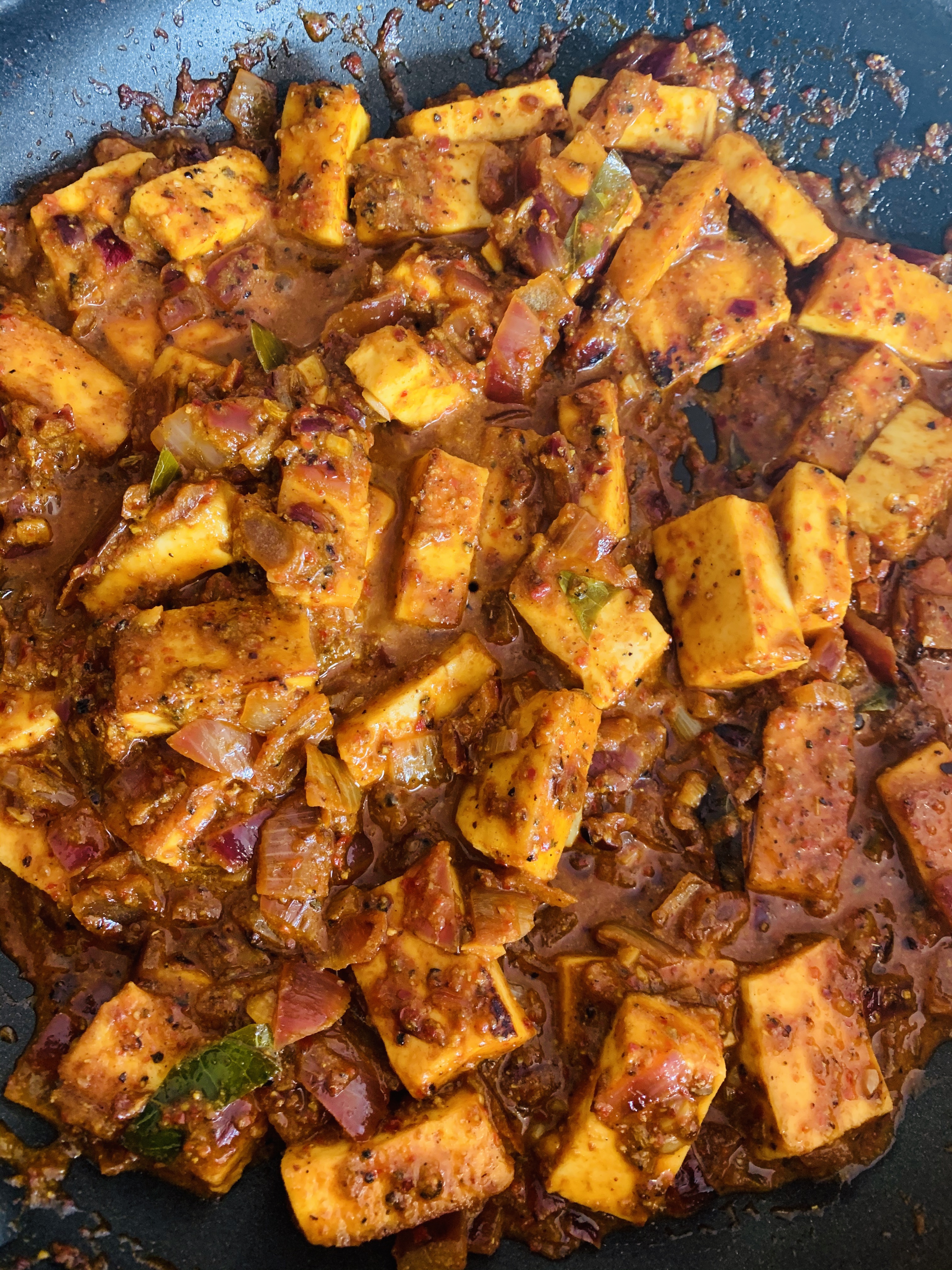
Paneer Manchurian

Indochinese is nostalgic to immigrants and I’ve tried for years to make a good paneer Manchurian. I think I finally have a recipe that’s worth writing down. The trick is replacing the ketchup with maggi hot and sweet tomato chilli sauce. Bonus – it’s ready in less than 20 min.

It’s inspired by this Ranveer Brar recipe. The ingredients are all approximate except for the sauce – measure that one out.

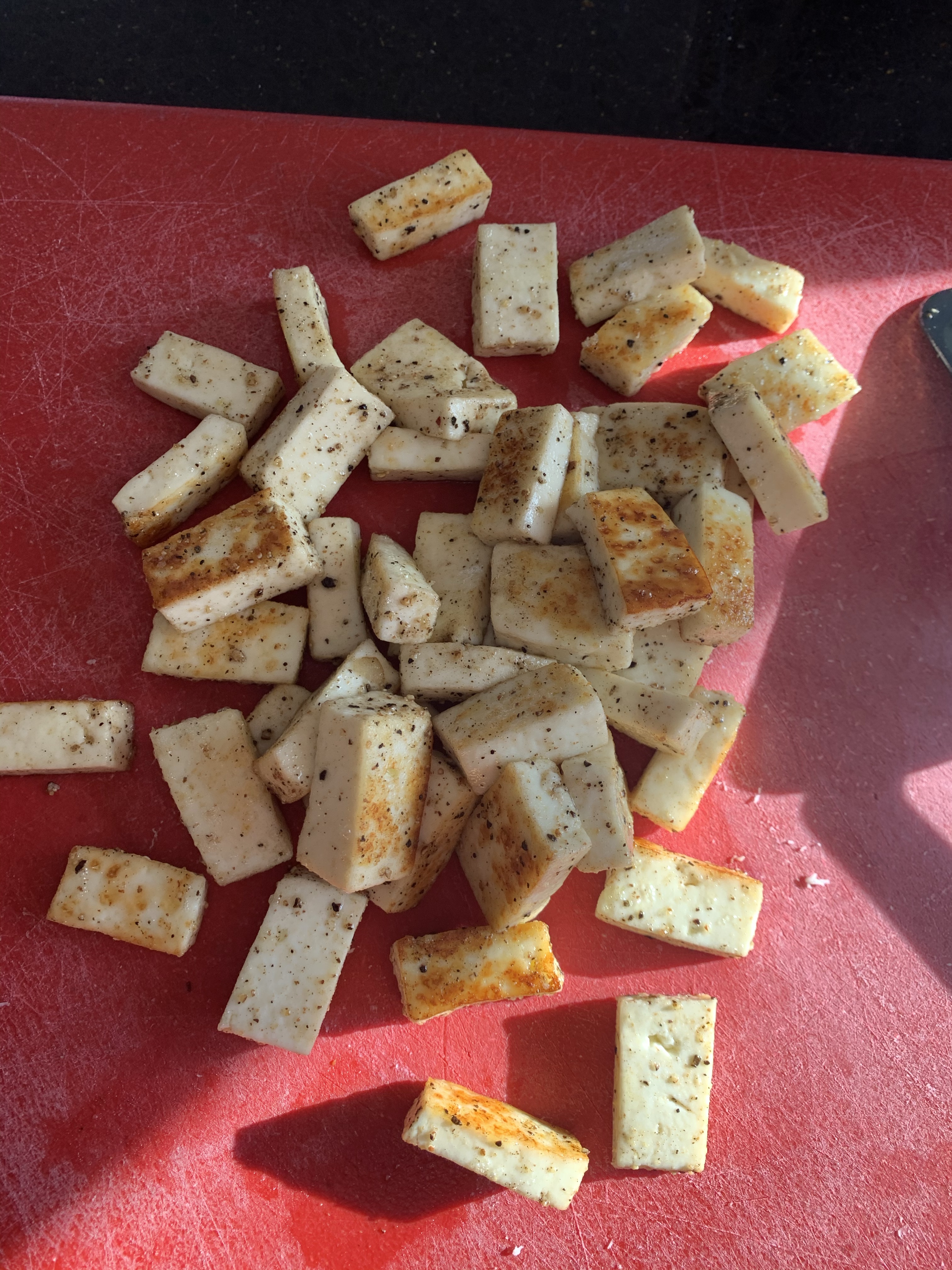
First soak your paneer in warm water for 15-20 min. It makes a big difference. Then fry it in about half an inch of oil till it’s brown on all sides. Remove paneer.

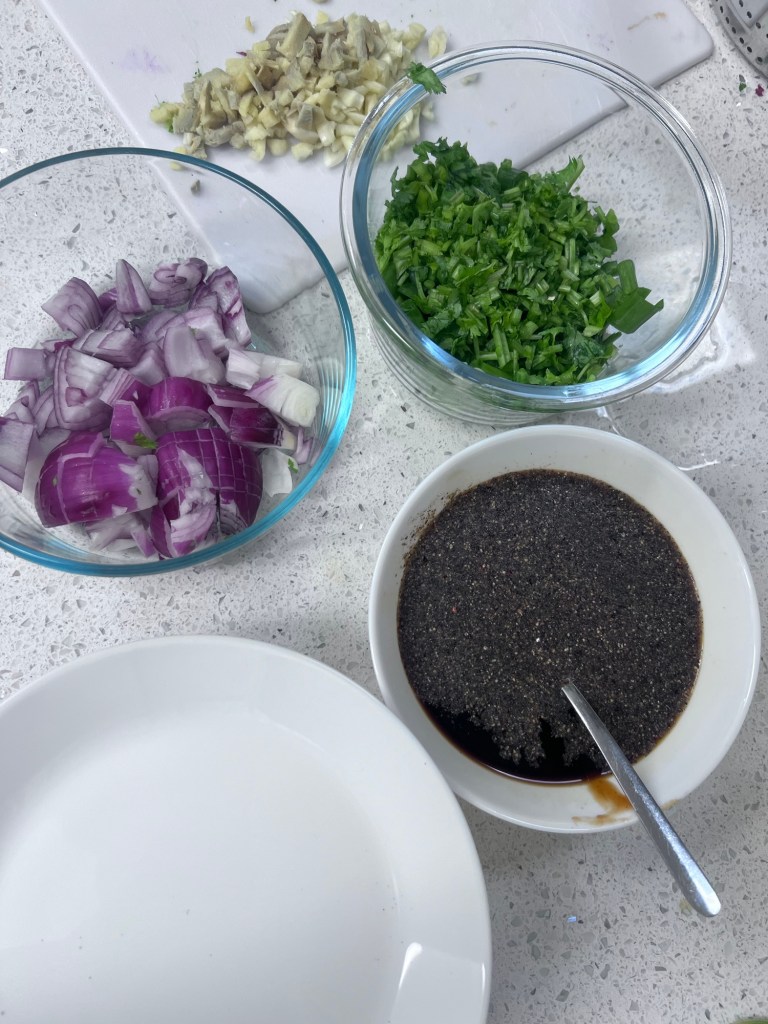
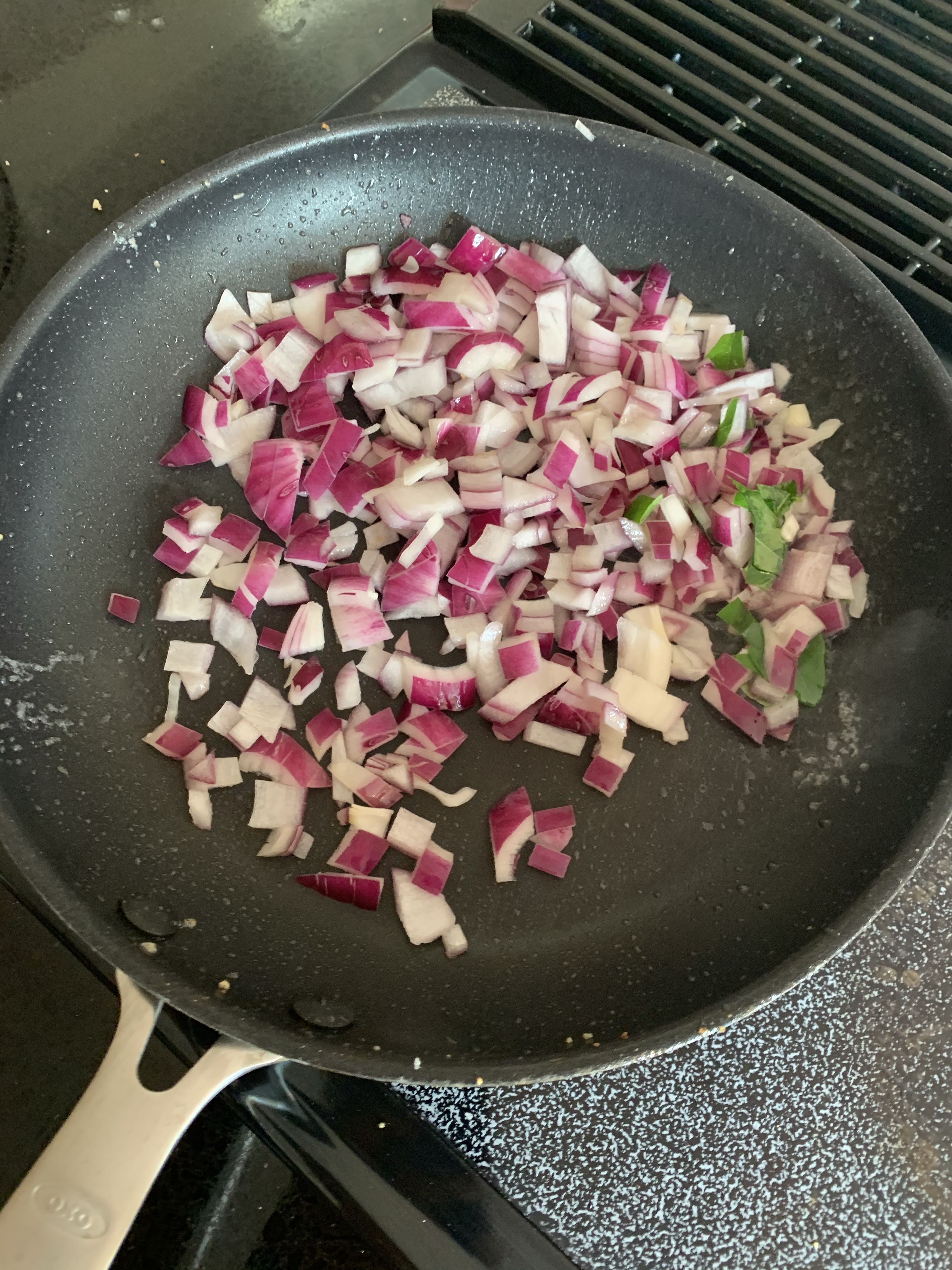
Next prep your stir fry ingredients- about a cup of onion, less than half a cup of scallions, about a tbsp each ginger and garlic and interestingly about half a cup of cilantro stalks . A chilli or two would work as well

The sauce is 1/3 cup of soy sauce and 1/3 cup of maggi hot and sweet tomato chili sauce (from your friendly Indian store), 1/3 cup water, a large tsp of sugar , a tsp or so of vinegar and lots of black pepper

Start stir frying – in the paneer oil, add onions and then scallions and cilantro stems and ginger and garlic. There should be a lot of different textures in this dish. Then add the paneer back and the sauce and cook for 2 min or so. Add a tsp or more of cornstarch slurry and the dish is done!

It’s spicy , sweet and very delicious.
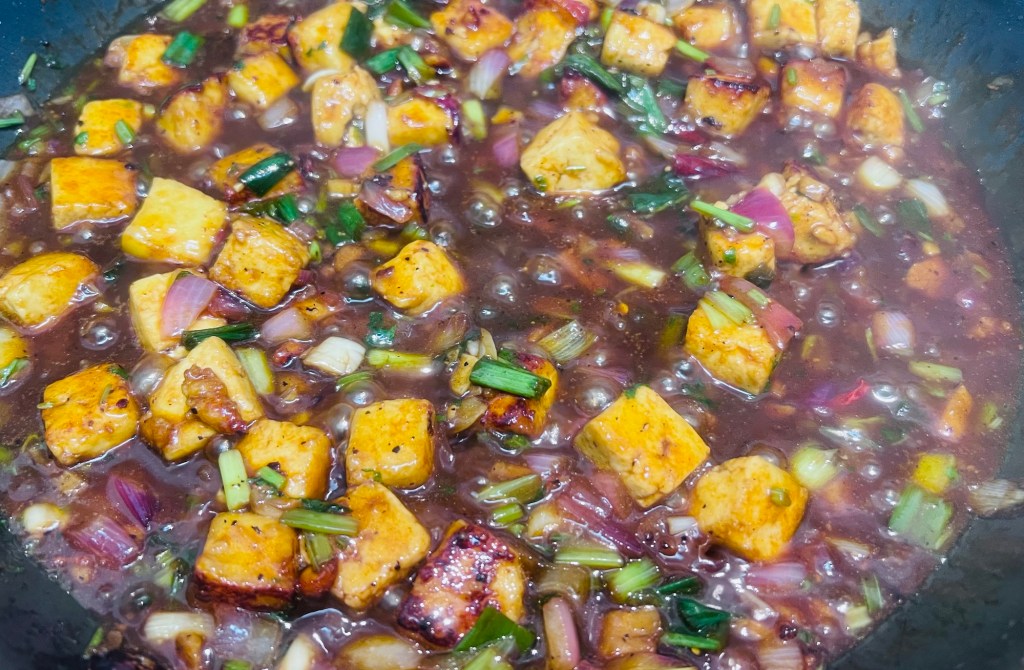
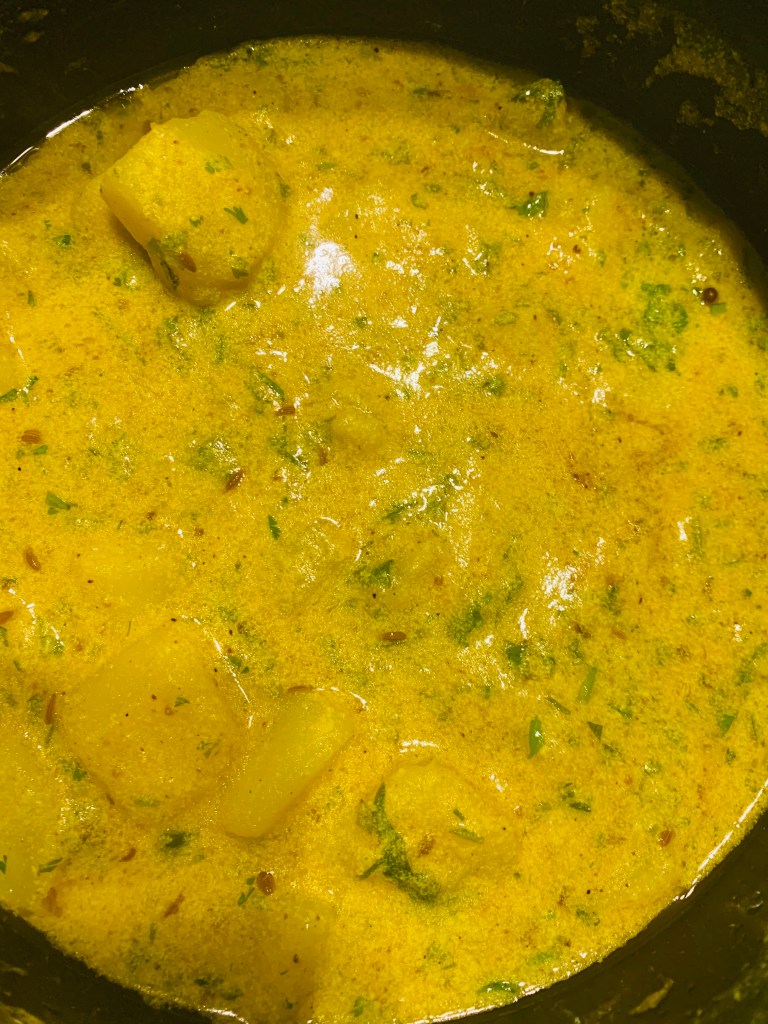
Kashmiri Dum Aloo

There are many many recipes for this dish. I don’t claim mine is authentic – it is tasty though.

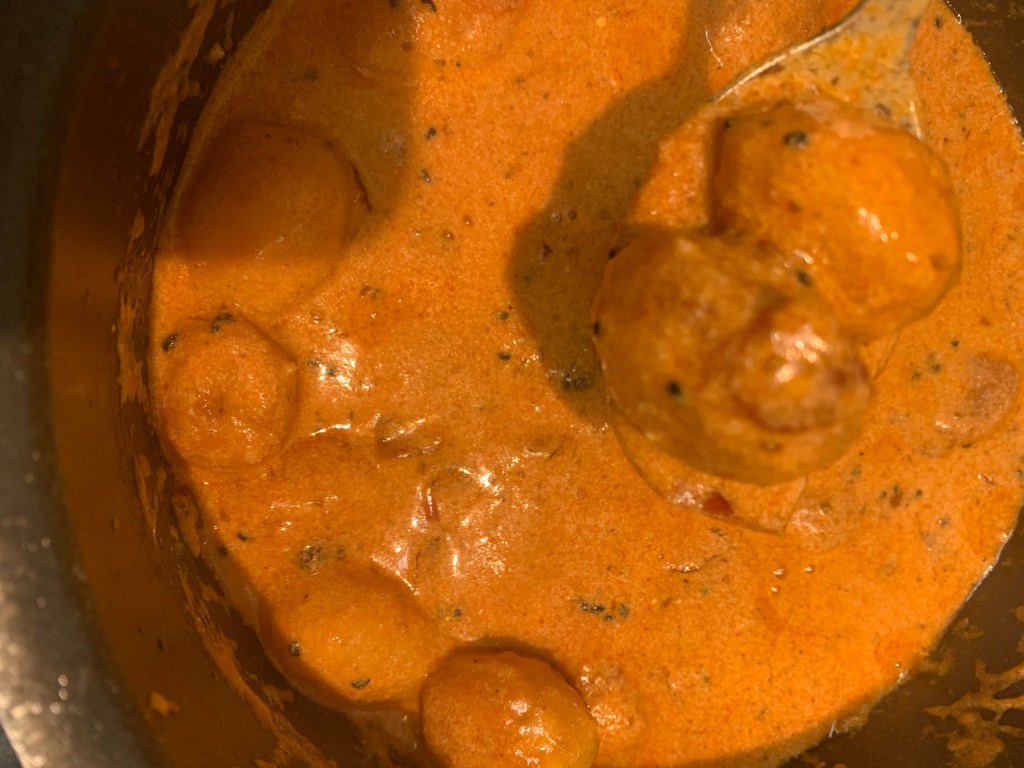
The 2 constants in this dish – fry the baby potatoes and use yogurt in the gravy. The yogurt makes the curry lighter than the cream or cashew based curries.

Step 1: Peel the potatoes and fry the potatoes in about 2 tbsp of oil till golden brown (10-15 min). This cooks the potatoes too

Step 2 : make gravy: in a saucepan , add 2 tbsp of butter or ghee, 1 inch cinnamon stick, 2-3 cloves, 2-3 cardamom pods, 8-10 whole pepper pods. Add 1/2 a large onion – finely chopped (about half a cup) and brown the onion on slow heat. When the onion is browned, add 1tsp of chopped/grated ginger and 1 tsp of chopped garlic and 2 tbsp of tomato paste. Cook on medium heat till the oil separates

Step 3: add 2 cups of yogurt whisked smooth, 1/2 cup of water, 1 tsp of cumin powder, 1 tsp of dried ginger, 1/2 tsp of fennel seeds, 1 tsp of degi Mirch (or another mild red pepper) and cook on low heat till simmering. Stir frequently

Step 4: add 1 tsp of garam masala and the fried potatoes – cook for another 5-10 min on low heat.

Enjoy with rice or roti or naan

Kolache pohe

The Indian region of Konkan in the west has a rich tradition of coconut based dishes similar to many other coastal regions. This is a supremely easy and extremely satisfying recipe :sour from the tamarind, creamy from the cocounut milk, sweet from the jaggery and savory from the phodni; the flavors are complex and delicious. Recipe credit to Sharmila, my cousin who sent me the recipe on whatsapp. My grandmother (also from Konkan) loved pohe with dahi, doodh, sakhar ani meeth (yogurt, milk, sugar and salt). Coconut milk was a treat because it had to be manually extracted. This recipe reminded me of her.

Poha is flattened beaten rice (easily available in the Indian store and on amazon). I used thick red poha for this recipe. Other essentials for this recipe are tamarind pulp (I boil tamarind with water and strain it to make my own pulp which I then freeze but there are plenty of pulps available commercially) and cumin seeds, asafetida and curry leaves (Indian store).

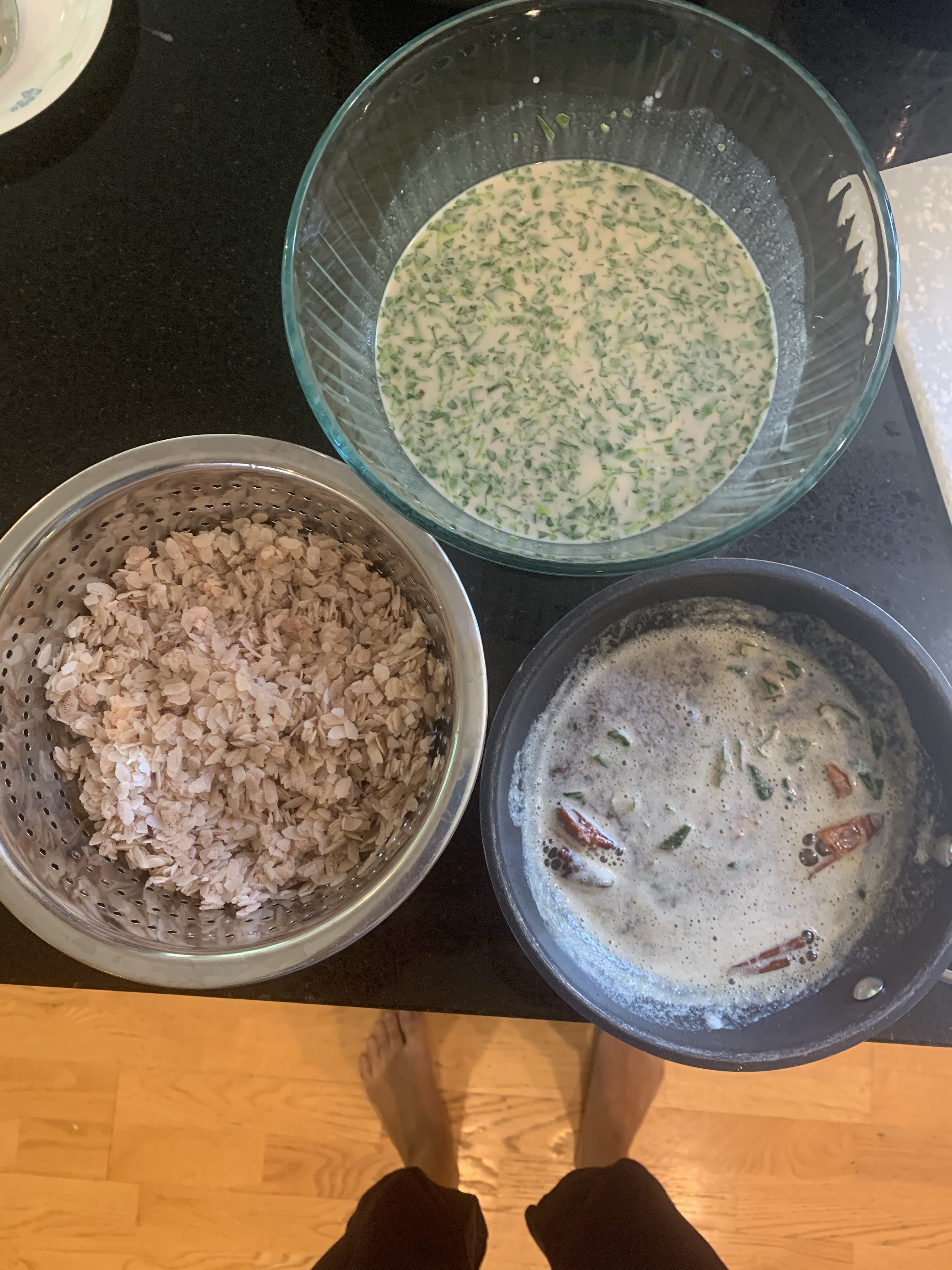
In a colander, rinse 2 cups of thick poha till soaked through and drain. The poha will soak through while you prep the rest of the dish.

Make the Kol- the coconut milk mixture: To one 14 oz can of light coconut milk, add 2 tbsp of jaggery (or brown sugar), 1 tsp or so of salt, 2-3 tbsp of finely chopped cilantro and 2 tbsp of so of tamarind pulp. Tamarind pulp varies in it’s sourness. Taste the kol, would it you it to be saltier, more sour, sweeter- adjust the flavorings till the coconut milk is delicious.

Make the tadka/phodni: To 2 tbsp of ghee or butter, add 1 tsp of jeera, wait for it to sputter, then add 1 pinch asafetida, 3-4 torn curry leaves and 2-3 dried red chillies.

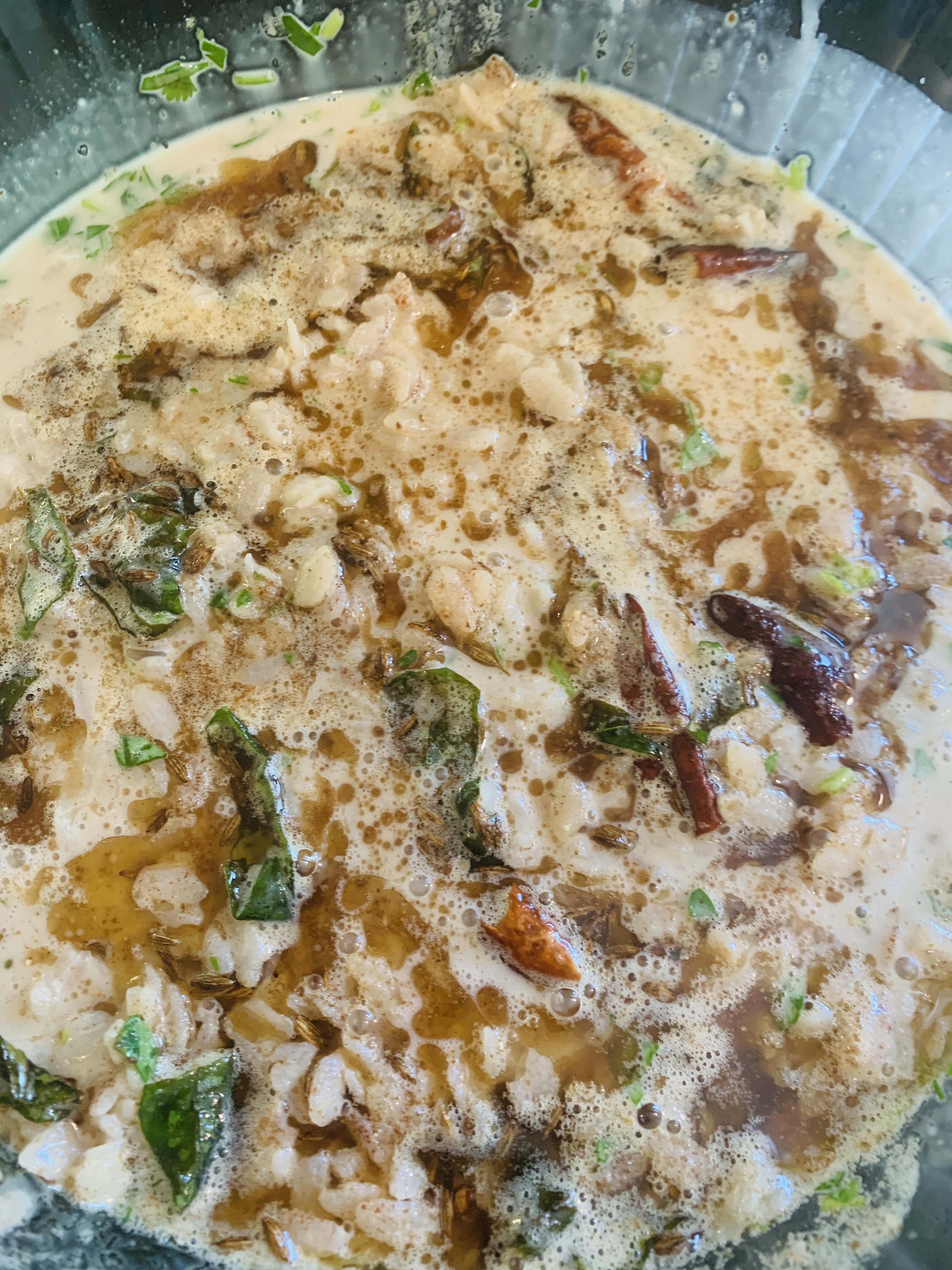
Mix all 3 together and serve with fried papad or potato chips or not. Village food made easy using modern technology.

Palda Aloo (from Anshu)

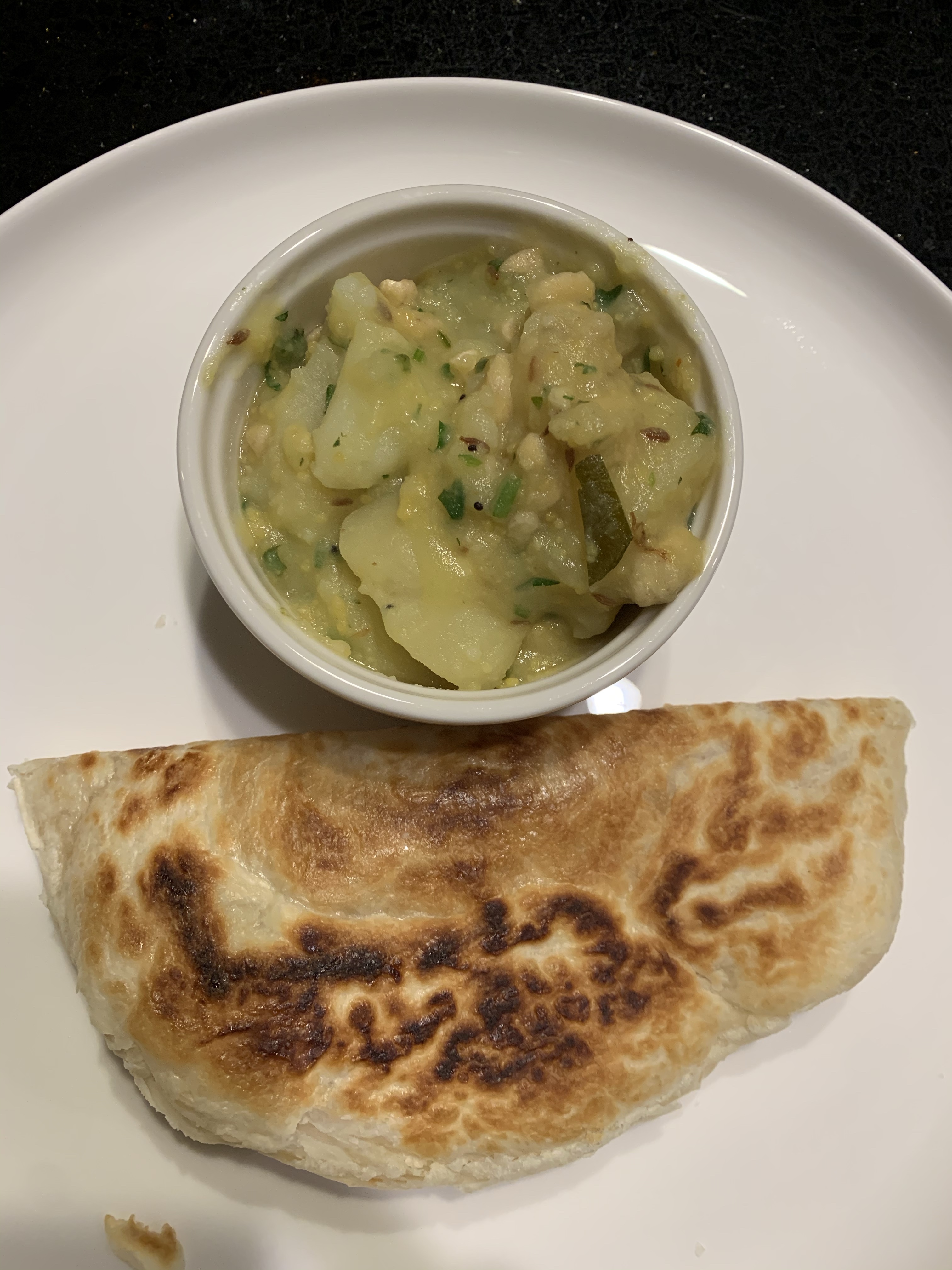
My friend Anshu is from Himachal Pradesh, the beautiful hill state of India. She tells me pahari (hill) food means no onions and no garlic. Sounds good to me- less prep is always good. This is her recipe. My only modification is to use ghee (or butter). In Maharashtrian food- the tempering for yogurt based dishes is always in ghee. This was so good with dosa. It’s also delicious with rice and roti.

Boil and cube 3-4 medium potatoes (about 1-2 cups)

To a cup of yogurt- add 1/2 tsp each of turmeric, red chili powder, cumin powder, coriander powder and salt.

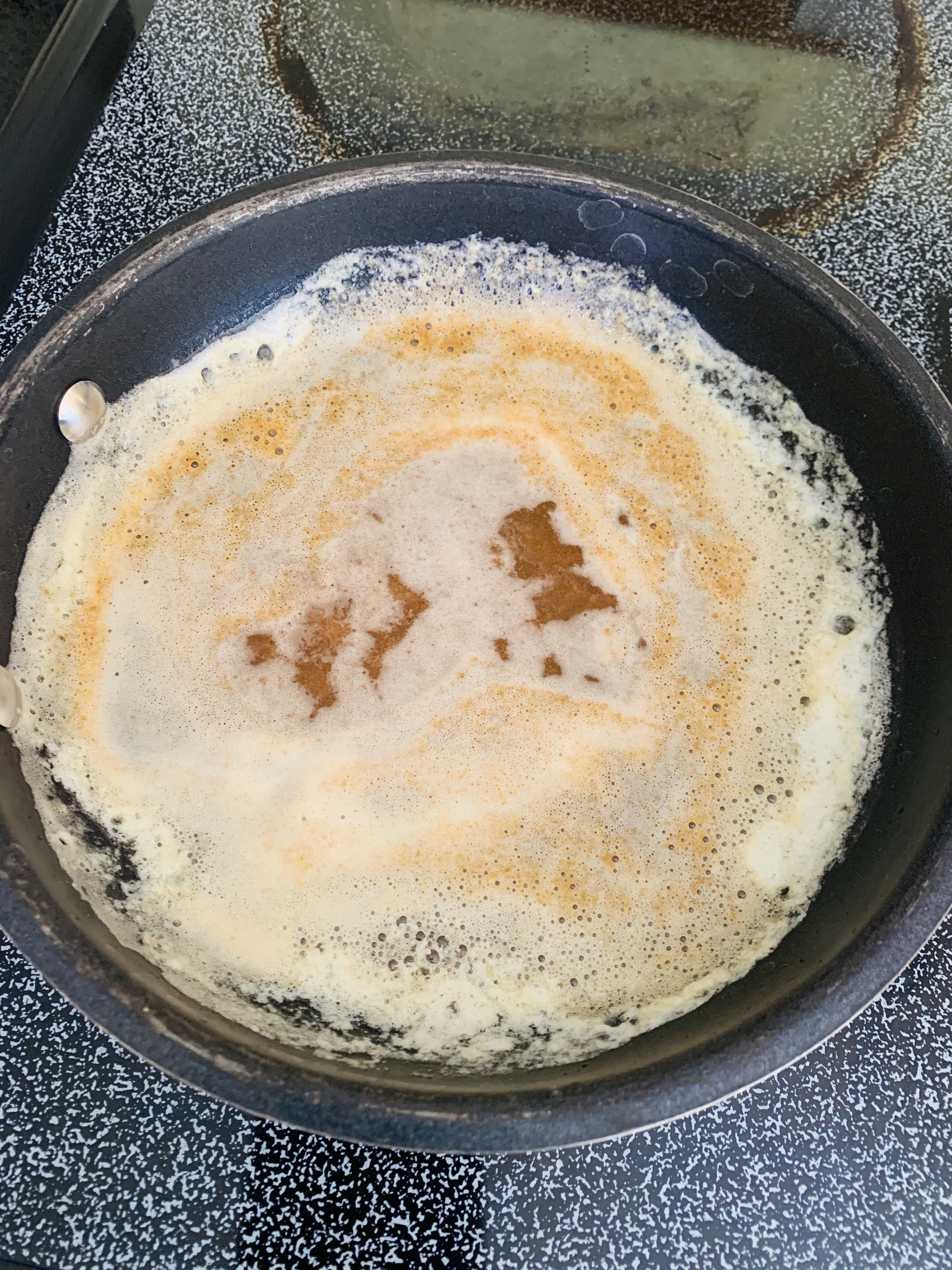
Tempering (phodni/tadka): heat 2-3 tbsp of butter till it lightly browns or ghee- add 1 tsp of cumin seeds till they sputter, add a pinch of asafetida.

Add potatoes and cook till they are heated up: Add the yogurt mixture and about 1/2 cup of water. Cook over gentle heat till bubbling (about 5 -10 minutes). Add 1/2 tsp of garam masala and cilantro to garnish.

Dal Makhani

Dal Makhani is the king of all dals. This is a restaurant dal, a dal to be savored with butter naans fresh out of the tandoor. Unless you live in Omaha, where what passes for dal is a sad approximation of the real thing. Here is how I make the dal makhani of my dreams. Warning- this is a slow  cook, but with minimal work other than stirring.

1) Soak 1 cup black whole urad dal and 1 cup rajma or red kidney beans seperately overnight

2) Rinse the water off. Pressure cook (I use my cuisinart pressure cooker) the dal  with about 4 cups of water and a tsp of salt for 10 minutes.

3) Separately- heat 2 tbsp of oil, add 4-5 cloves of whole garlic and cook till pale golden. Add the rajma and 4 or so cups of vegetable stock (I use water and better than bouillon). Pressure cook for 15 minutes. This is my standard quick rajma-without-spice-for-rice recipe.

4) Melt one stick of butter. Add 1-2 tsp of cumin seeds and 1 large onion. Caramelize on low heat for 20-40 minutes till dark brown but not burnt.

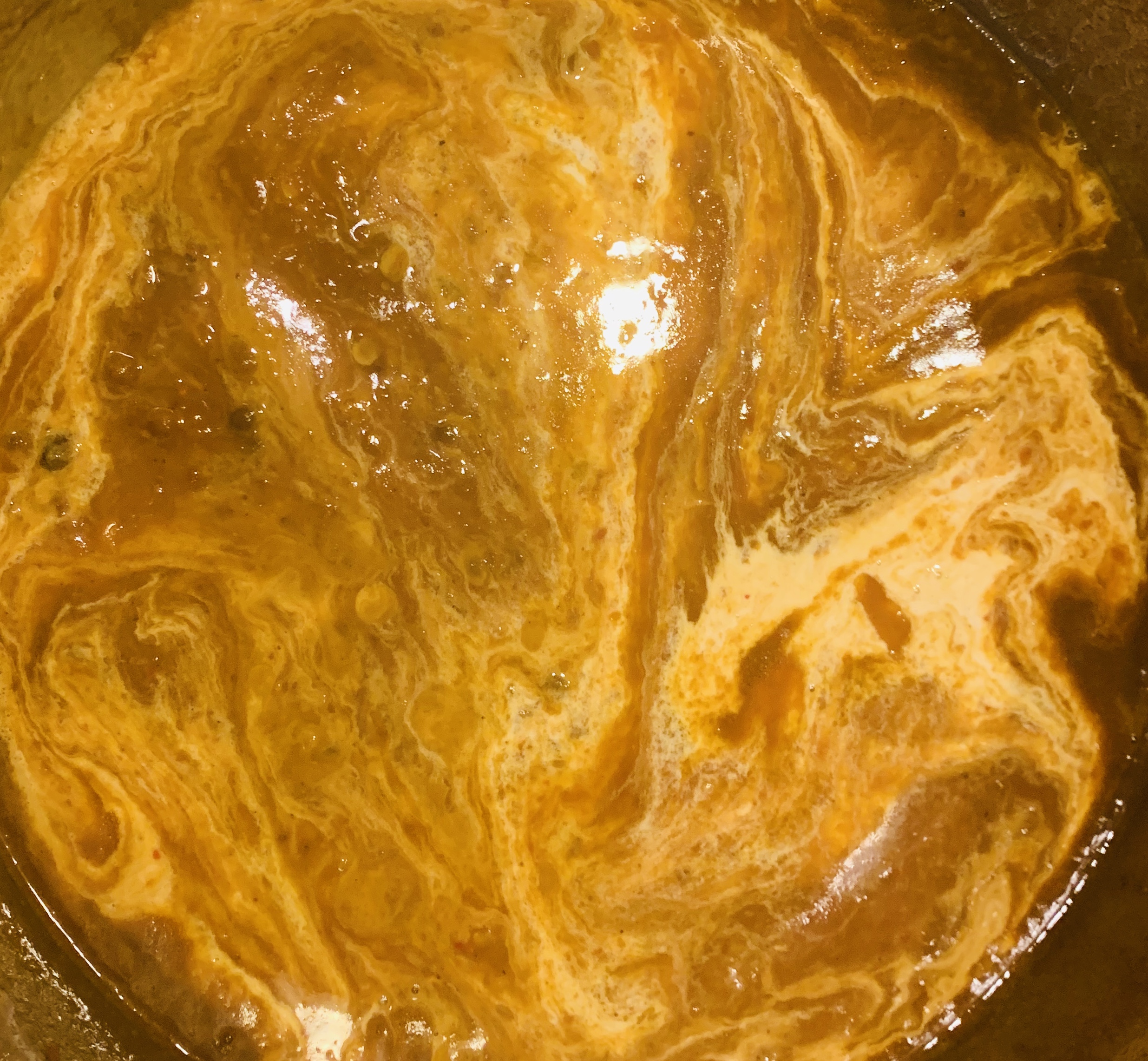
5) Add 2 tbsp of ginger and 2 tbsp of garlic and 1 14oz can of San Marzano tomatoes (pureed) and 1 tsp of red chilli powder (I like using the Korean gochugaru) . Cook this on low heat till the butter seperates from the paste. This takes about 15 minutes

6) Add the dal and the water and 1/2 cup of kidney beans and 1/2 cup of the kidney bean water (from the pressure cooker). Cook stirring frequently for 15-20 minutes

7) Add 1tsp of garam masala and about half a cup of heavy whipping cream

This makes enough dal for 10 people or so.  It freezes beautifully- I generally freeze half if there is a pandemic and no one to share it with

dal

The best rajma

Rajma is every North Indian’s favorite comfort food- so tinkering with the recipe is akin to sacrilege. This one is very good though and is probably worth the criticism from all the Indian nanis.

Rick Martinez’s pupusa recipe for BA (which is also on this blog) starts with charring onions till they are almost black and then purée-ing them with pinto beans. This rajma recipe starts the same way. It’s the butter and the charred onion together that gives this 10 minute rajma recipe it’s deep deep flavor. This is a no-recipe recipe.

You have to use pressure cooked (I use my Cuisinart) red kidney beans for this one. The liquid is essential. You also have to pre-soak the beans – you can get the beans soft without soaking in the pressure cooker but they don’t taste anywhere as good.

Heat 2 tbsp of butter- add 1 tsp of cumin seeds and 1 small diced onion on high heat with some salt and red pepper flakes. Stir frequently till onion is charred in places (takes about 5 minutes). Add 2-4 cloves of garlic(minced) and 1 tbsp of tomato paste. Stir for 30 sec or so. Add rajma with liquid. Add 1 tsp of cumin powder and 1 tsp of coriander powder. Boil for 2-3 minutes and taste for salt. Serve on rice!

Potato sagu

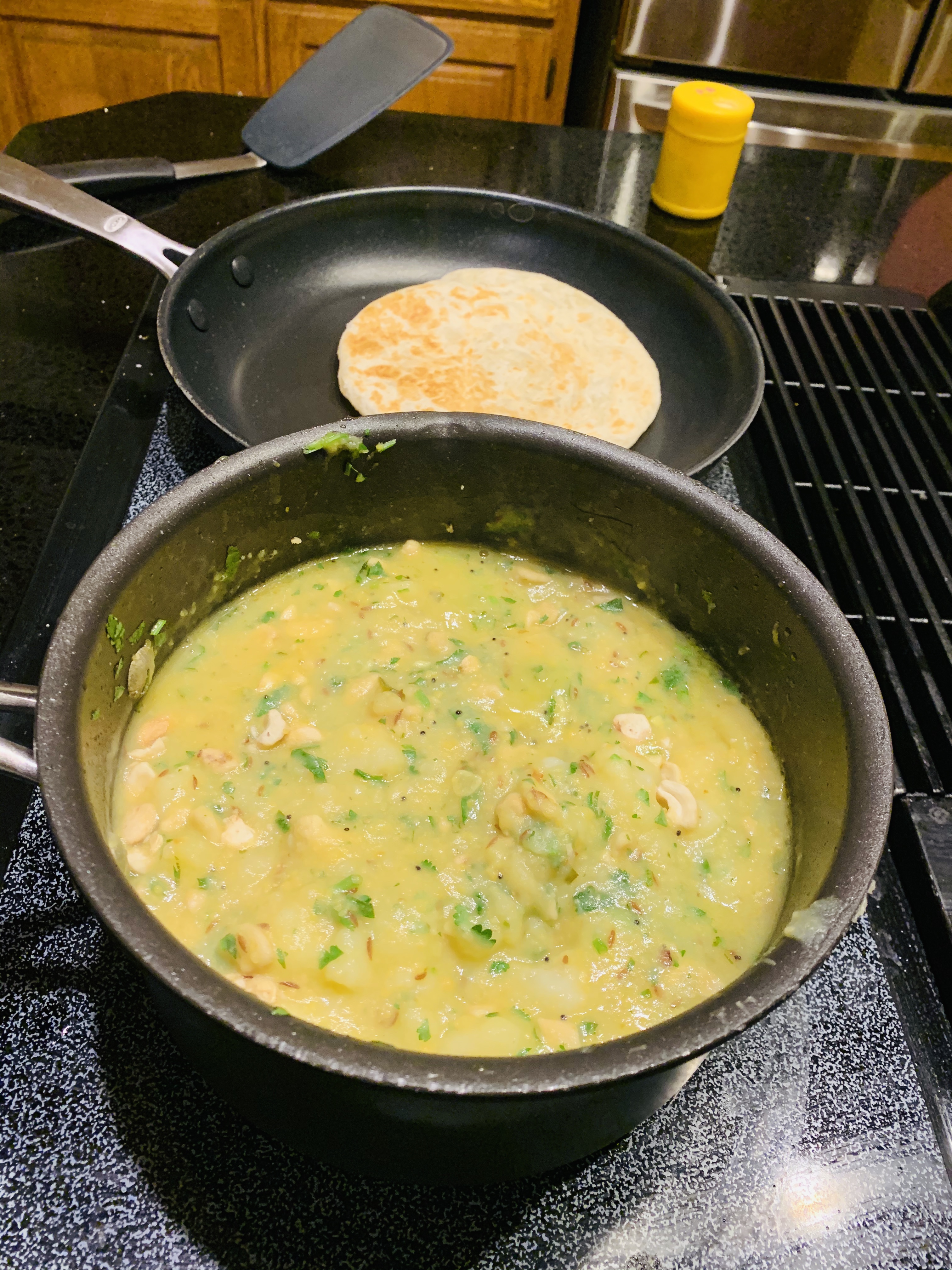
I’ve been on a quest for years for the perfect sagu recipe – the kind served with rava idli and ghee at the udupi restaurant in Bangalore. I think this might be it. The trick is to thicken the potato curry with ground roasted chana dal – it’s delicious with rice, dosa, roti or Malaysian parantha (a store bought treat – sadly too unhealthy for daily eats)

Step 1: roast and grind 1/4 cup chana dal and make a slurry with about 1/4 cup of water

Step 2: routine South Indian tampering or tadka – heat 1-2 tbsp of oil, add 1/2 tsp of mustard seeds, once they start sputtering add 1/2 tsp each of cumin seeds and turmeric, add a pinch of asafetida, 2-4 curry leaves and 1-2 dried red chilies. Add 1 tbsp of ginger and 1 tbsp of garlic and roast for 30 sec or so.

Step 3: add 2-3 peeled and chopped (into inch cubes) potatoes and salt. Cover potatoes with water and boil for 10 minutes till potatoes are cooked

Step 4: add chana dal slurry and boil for 5-10 minutes. Remove off heat. Adjust salt, squeeze a lemon to taste and garnish with cilantro and roasted cashews.

This one is easy. Knife work involves peeling and chopping the potatoes and ginger and garlic and cilantro (about 10 min). Other prep work is the chana dal powder (5 minutes). Cooking time is around 20-30 minutes but with minimal involvement after the tadka. Yep- a good week-night meal.

Simplest rajma rice : Kidney beans rice bowl

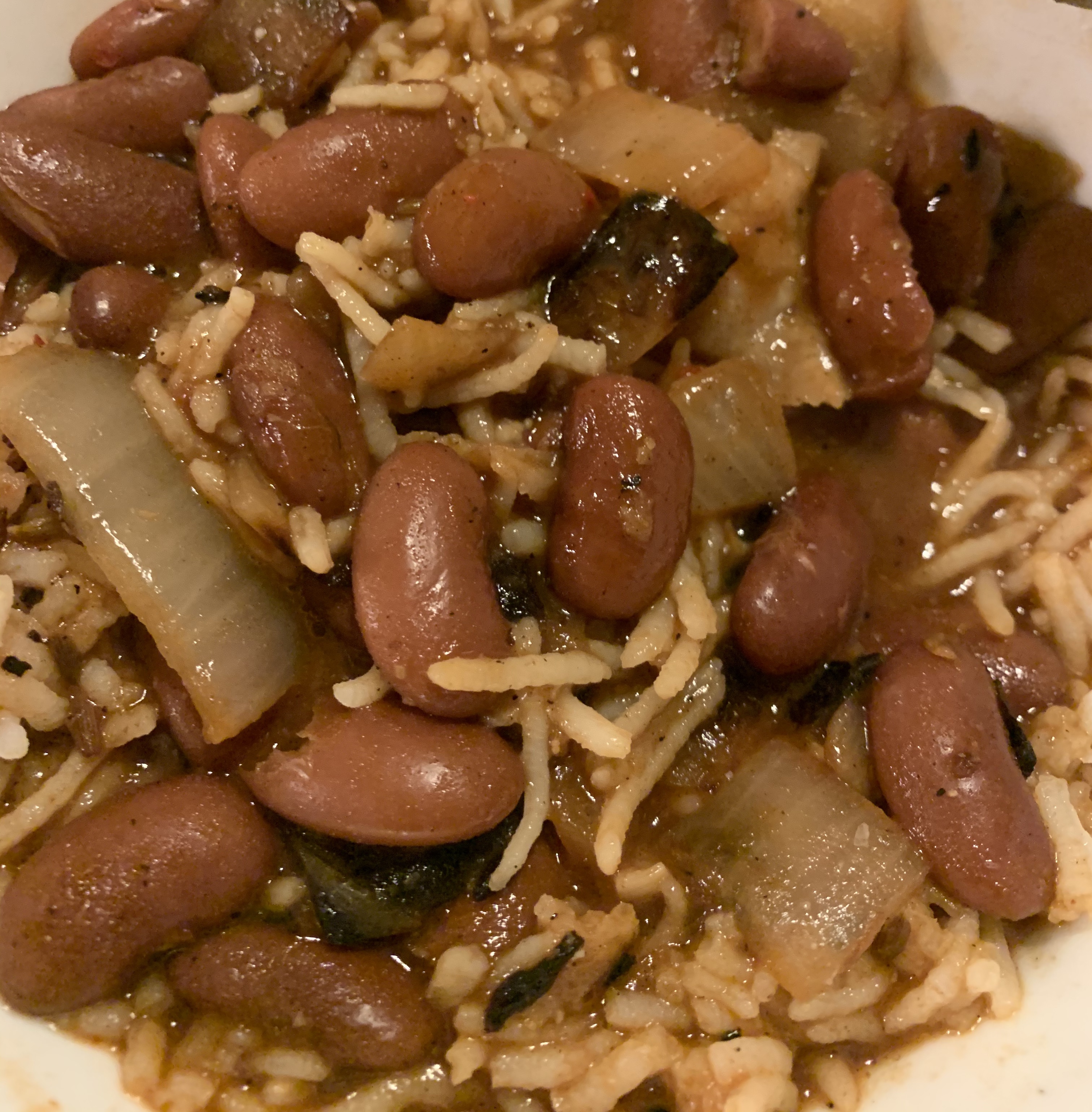
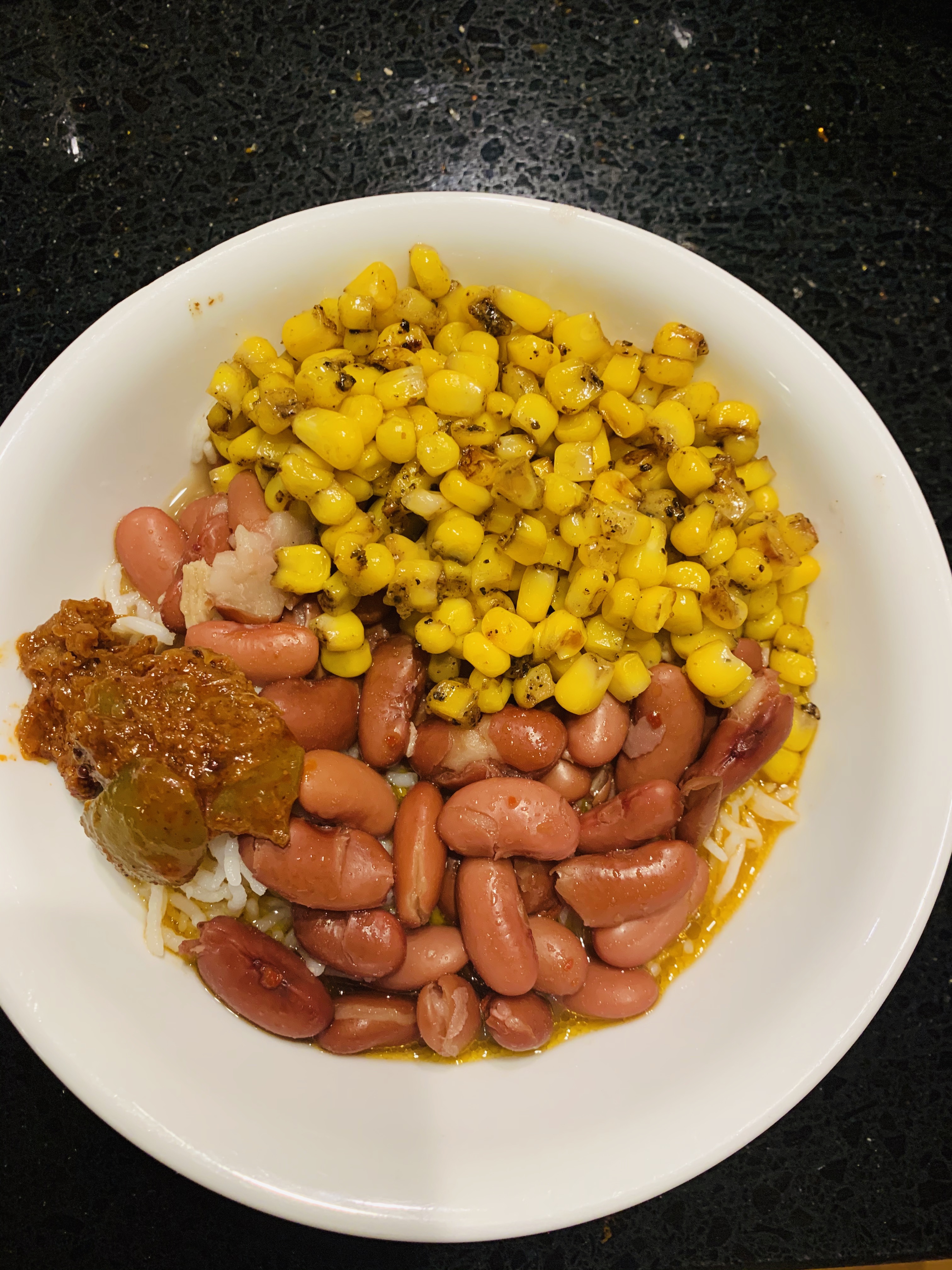
Rajma (kidney beans) rice bowl: My simplest rajma recipe. In your pressure cooker (electric or otherwise)- sizzle 3-5 cloves of garlic for a minute or two. Add one cup of soaked kidney beans and 3 cups of vegetable stock (I use better than bouillon) and 1 tsp of red pepper flakes. Cook for 15 min on high pressure. Corn: Add frozen corn in a skillet with some butter – cook covered for about 10 minutes till the corn is slightly charred. Top with salt, lots of pepper and 1 tbsp of butter. Make bowl: rice, rajma, corn and pickle.

Paneer Ghee Roast (Kerala Style)

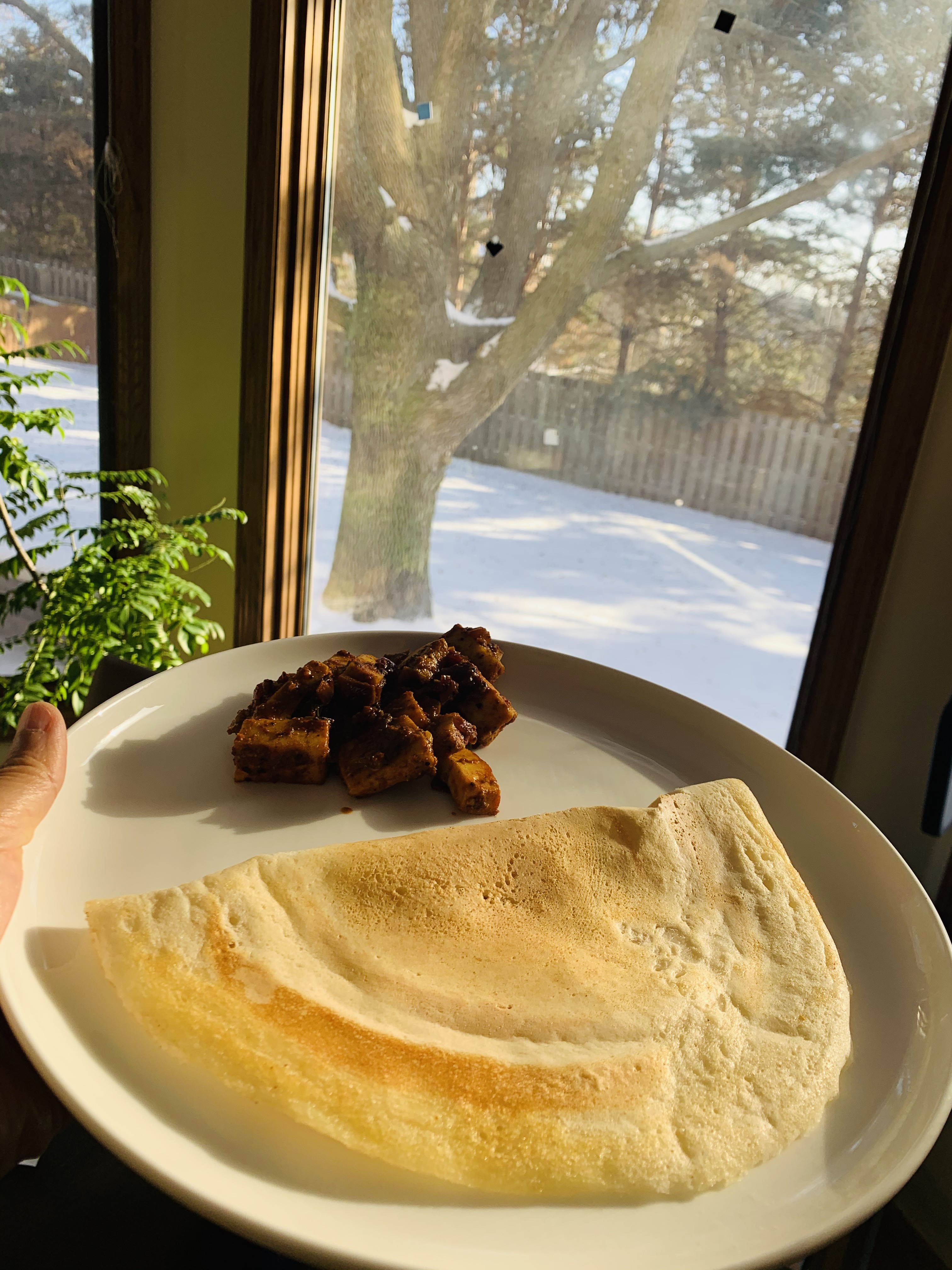
I love South indian preparations- in both dry and curry form. But the techniques are so tedious- scrape cocount, grind to paste, dry paste- so on and on and on. This is my version of a much quicker dry roast. The masala will not be as smooth as a blender-ground masala but the flavor is spot on and this dish will be ready in 30 minutes.

Prep:

Chop: 1/2 a large onion diced (about 1 cup), 4-6 cloves of garlic, 3-5 kadipatta leaves (chopped fine)

Masala: mix together 2 tsp of  ground red pepper  (I used the Korean Gochugaru but Kashmiri red chillies  will work), 1 tsp ground cumin, 1 tbsp ground coriander, 1/2 tsp of turmeric, 1 tsp ground fennel seeds and 1/8 tsp ground methi(fenugreek) seeds. ( I used a mortar and pestle to grind the fennel and methi  to add to the powders)

Other flavorings: 2 tbsp tamarind paste (which I always have frozen) and 1 tbsp ground jaggery

Cook:

Cube 1/2 lb of paneer and roast in 1 tbsp of ghee on a low flame till lightly browned. Remove to a plate.

In the same pan, add another 1 tbsp of ghee, add curry leaves and onion. Cook till onion starts turning translucent.

Add masalas and roast till fragrant (around 1-2 minutes) without burning any of the ingredients.

Add tamarind, jaggery, 2 tbsp of yogurt and 1/4 cup of water. Cook for a minute and add paneer.

Cover and cook on low heat for 10-15 mintues.

Serve with dosa or rice or appam.